
 English




 Accessories

Creative Styling
The Balance Of Contrast: Mixing Colours, Textures And Shapes With Confidence
A memorable outfit does not always come from matching every element perfectly. Sometimes, the most interesting appearances emerge from unexpected combinations of colours, contrasting textures and distinctive shapes. A smooth metallic finish beside a textured surface, a delicate necklace paired with sculptural earrings or a subtle colour accent against a neutral outfit can create an entirely different visual impression. Women's accessories make these combinations particularly exciting, offering endless opportunities to experiment with personal style.
However, mixing different elements requires more than simply putting contrasting pieces together. The secret lies in understanding how individual details interact and finding a balance that makes the overall appearance feel intentional. With a little experimentation, contrasts can become one of the most effective ways to express individuality.
Let Colours Create A Conversation
Colour is often the first detail that catches attention. While coordinating similar shades can create a harmonious appearance, introducing contrasting colours can bring energy and personality to an outfit.
Consider pairing warm metallic finishes with cooler tones or introducing a vibrant accent against an otherwise neutral combination. Deep shades can complement lighter colours, while muted tones can provide a subtle foundation for brighter details.
You do not need several colourful pieces to create an interesting effect. A single pair of statement earrings, a colourful bracelet or a distinctive hair detail can introduce enough contrast to transform an outfit.
When experimenting with colour, consider the clothing as well as the other pieces you intend to wear. Choosing one dominant shade and introducing smaller contrasting accents can help maintain visual balance without making the combination appear overly busy.
Explore The Beauty Of Different Textures
Texture adds another dimension to personal styling. Two pieces with similar colours can create completely different impressions when their surfaces differ.
Think about combining polished metallic finishes with matte details, smooth surfaces with intricate patterns or delicate designs with more substantial textures. These combinations introduce depth without relying entirely on colour.
For example, a finely detailed necklace can look particularly interesting alongside textured earrings. Similarly, a combination of smooth and hammered finishes can create subtle variation while maintaining a cohesive appearance.
The important thing is to give each texture enough room to contribute to the overall look. When every element features an elaborate surface, the individual details may compete for attention. Combining intricate designs with simpler finishes often produces a more balanced result.
Play With Shapes And Proportions
Shapes can influence how an entire combination feels. Rounded earrings, angular pendants, elongated designs and geometric rings each introduce a different visual character.
Combining contrasting shapes can make an outfit more distinctive. Circular earrings paired with a linear necklace, for instance, create an interesting relationship between soft curves and defined edges. Similarly, combining delicate rings with a larger sculptural piece can introduce variation without requiring several elaborate designs.
Proportion is equally important. If you choose prominent earrings, consider balancing them with a more understated necklace. Alternatively, a noticeable pendant can become the focal point when paired with smaller earrings.
There are no absolute rules about which shapes belong together. The idea is to explore how different proportions interact and discover arrangements that complement your overall appearance.
Combine Opposites Without Creating Clutter
Contrast becomes effective when individual elements have a clear purpose. Wearing several statement pieces together can sometimes make an outfit feel visually crowded, particularly when every design competes for attention.
A useful approach is to identify one feature that you want to highlight. This could be a colourful necklace, an unusual pair of earrings or a collection of layered bracelets. Allow the remaining pieces to support that feature rather than competing with it.
For example, expressive earrings can work beautifully with a simple ring and understated wristwear. If your outfit already includes prominent patterns, consider choosing cleaner shapes and quieter finishes.
This does not mean avoiding bold combinations. It simply means creating enough visual breathing room for every detail to stand out.
Experiment With Unexpected Pairings
Some of the most appealing combinations are those that initially seem unconventional. Delicate pieces can complement heavier designs, traditional shapes can work alongside contemporary forms, and warm metallic tones can introduce interest when combined with cooler finishes.
Try combining pieces from different styles rather than relying on matching sets. A simple bracelet might look more distinctive beside a textured ring than alongside another identical design.
You can also experiment with layering. Necklaces of different lengths, bracelets with varying widths and rings featuring different silhouettes can create a more personalised arrangement.
Start with two contrasting elements and gradually introduce another detail if the combination feels balanced. This makes experimentation easier and helps you understand which pairings work particularly well.
Let Your Outfit Guide The Combination
The clothing you choose provides an important foundation for deciding which contrasts to introduce. A monochromatic outfit offers room to experiment with vibrant colours, distinctive shapes and textured finishes. Clothing with intricate prints may benefit from simpler designs that do not compete with its patterns.
Necklines also influence how necklaces appear, while sleeve lengths can affect the visibility of bracelets and wristwear. Hairstyles can determine whether certain earrings or decorative hair pieces receive greater attention.
Thinking about these details before selecting your accessories helps create a more cohesive appearance. Rather than treating every piece as an independent choice, consider how it contributes to the complete outfit.
Confidence Makes The Difference
Developing an eye for contrast takes curiosity and a willingness to experiment. Not every combination will work immediately, and that is part of discovering what suits your preferences. Trying different arrangements, adjusting proportions and exploring unfamiliar colour pairings can gradually make styling feel more intuitive.
Women's accessories provide an excellent opportunity to explore these possibilities without completely changing your wardrobe. A simple shift in texture, an unexpected colour combination or a distinctive shape can give familiar clothing a fresh identity.
Ultimately, successful styling is not about making everything match. It is about understanding how differences can complement one another. When colours, textures and shapes come together with intention, contrast becomes more than a styling technique. It becomes a personal expression of creativity, character and confidence.
Gold-Plated Dome Shaped Jhumkas
Rs.874.00
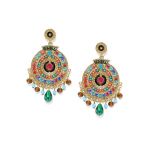
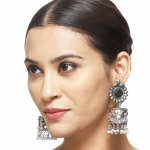
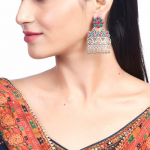
Multicoloured Contemporary Drop Earrings
Rs.350.00
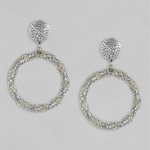
Silver-Toned Circular Drop Earrings
Rs.239.00